Run & Expand a Business in Singapore Guides
Popular Posts
Guides
AI spending in Singapore is increasingly driven by infrastructure realities such as GPU scarcity, data-centre constraints, and multi-year cloud commitments rather than flat software licence fees. This article outlines how founders and CFOs can model ROI, classify capex vs opex, negotiate contract terms, and set governance controls to avoid hidden long-term liabilities into 2027.
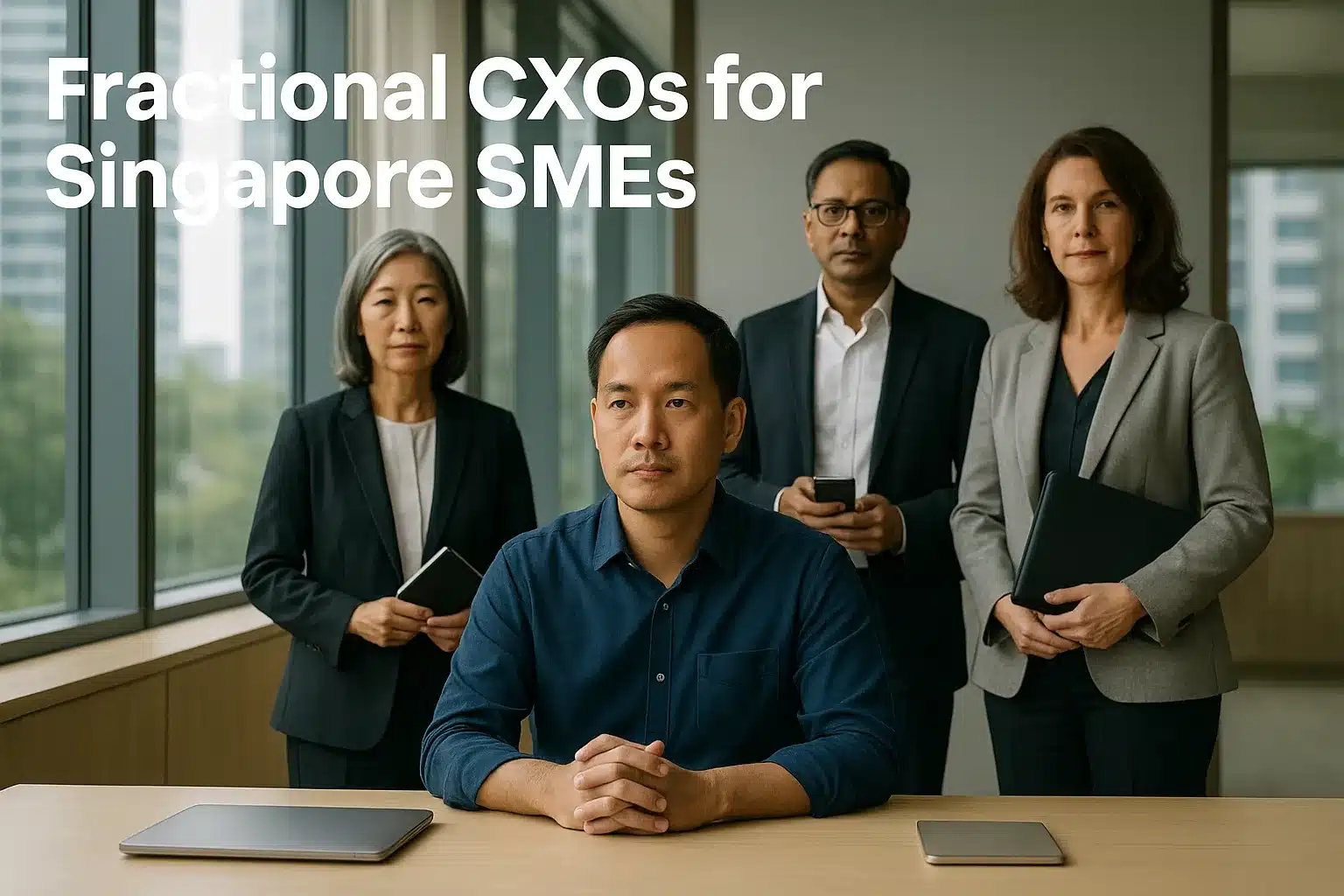
Fractional CXOs can help Singapore SMEs add senior capability without adding full-time payroll, but many engagements fail because scope, access, and decision rights are unclear. This playbook shows how to choose the right fractional CFO/CMO/CTO/COO/CHRO, define KPIs and hand-offs, and install cadence and dashboards so measurable improvements stick.
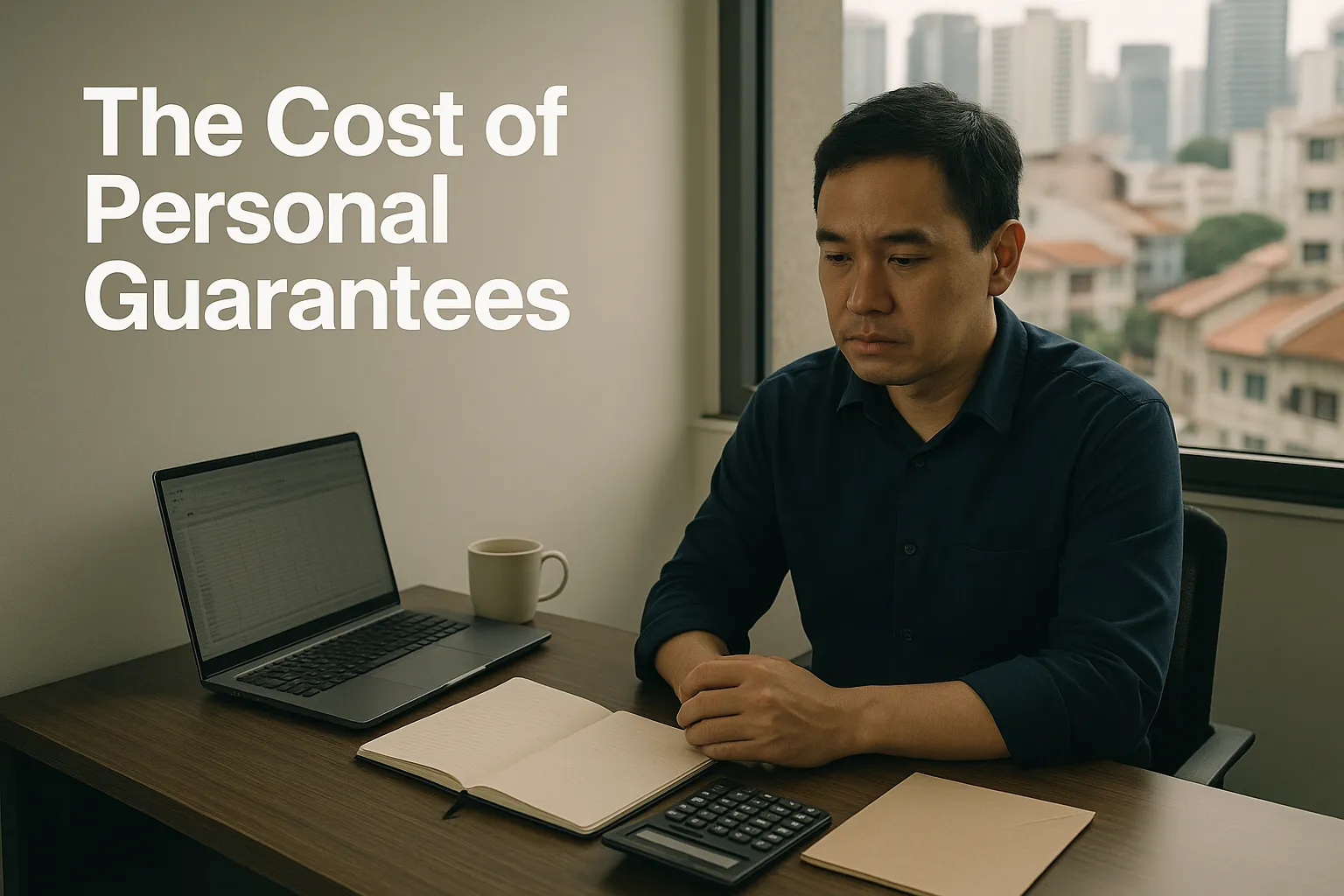
Personal guarantees can turn predictable business commitments—rent, payroll, loans, and supplier terms—into personal insolvency risk when revenue is volatile. This guide shows Singapore founders how to map fixed commitments, model downside scenarios, set cash buffers and stop-loss triggers, and negotiate PG terms to keep the downside survivable.

Singapore founders face growing pressure to expand overseas, but most failures come from scaling before pricing, cash, team routines, and decision rights can handle cross-border friction. This guide shows how to pick the first two markets, run 30/60/90-day pilots with stop/go metrics, and build a minimum operating backbone for repeatable growth.

Many Singapore startups accidentally optimise for grants, accelerators, and pitch panels, then discover too late that customers won’t pay or renew. This guide lays out a practical 30–60 day operating system for interviews, pre-sales and paid pilots, and weekly metrics that replace narrative with evidence.

Singapore’s startup ecosystem can accelerate founders, but it can also reward visibility signals that don’t translate into cash, retention, or pricing power. This guide provides a diagnostic scorecard, KPI redesign, and a subsidy-to-sales transition plan to build commercial independence in 2026–2027.
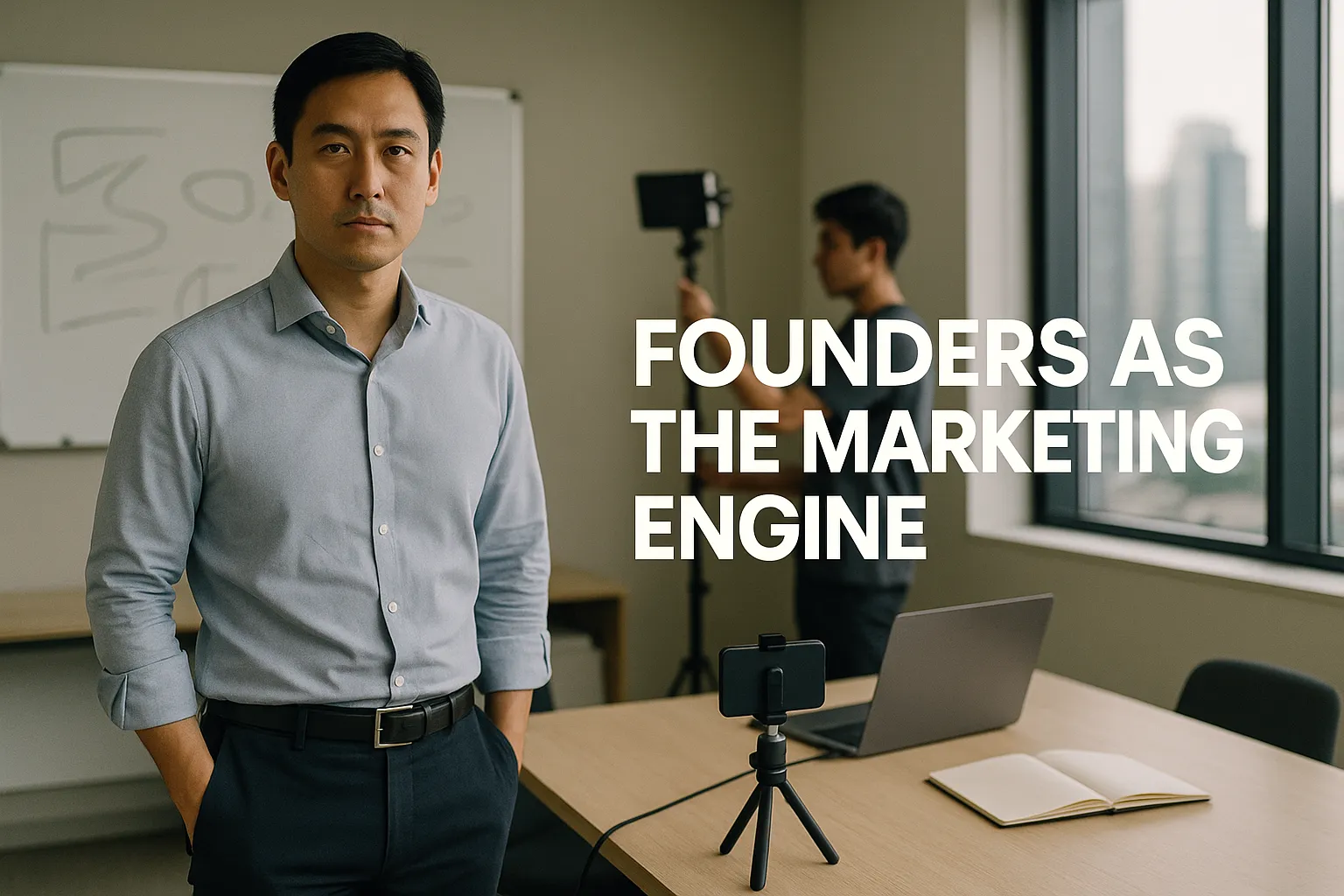
Many Singapore B2B SME founders know personal branding builds trust, but struggle to do it consistently without turning into a full-time influencer or creating reputational risk. This guide shows how to capture operational insights, repurpose them into repeatable formats, set lightweight approvals, and route responses into sales and hiring workflows.

Singapore’s AI hardware upswing can tempt founders and SMEs into fast capex and fragile single-customer bets, even as qualification cycles, pricing pressure, and downcycles make mistakes expensive. This guide offers a decision framework to choose where to play in the supply chain, prove demand before capex, reduce concentration risk, and build more durable service-tail revenue into 2027 scenarios.
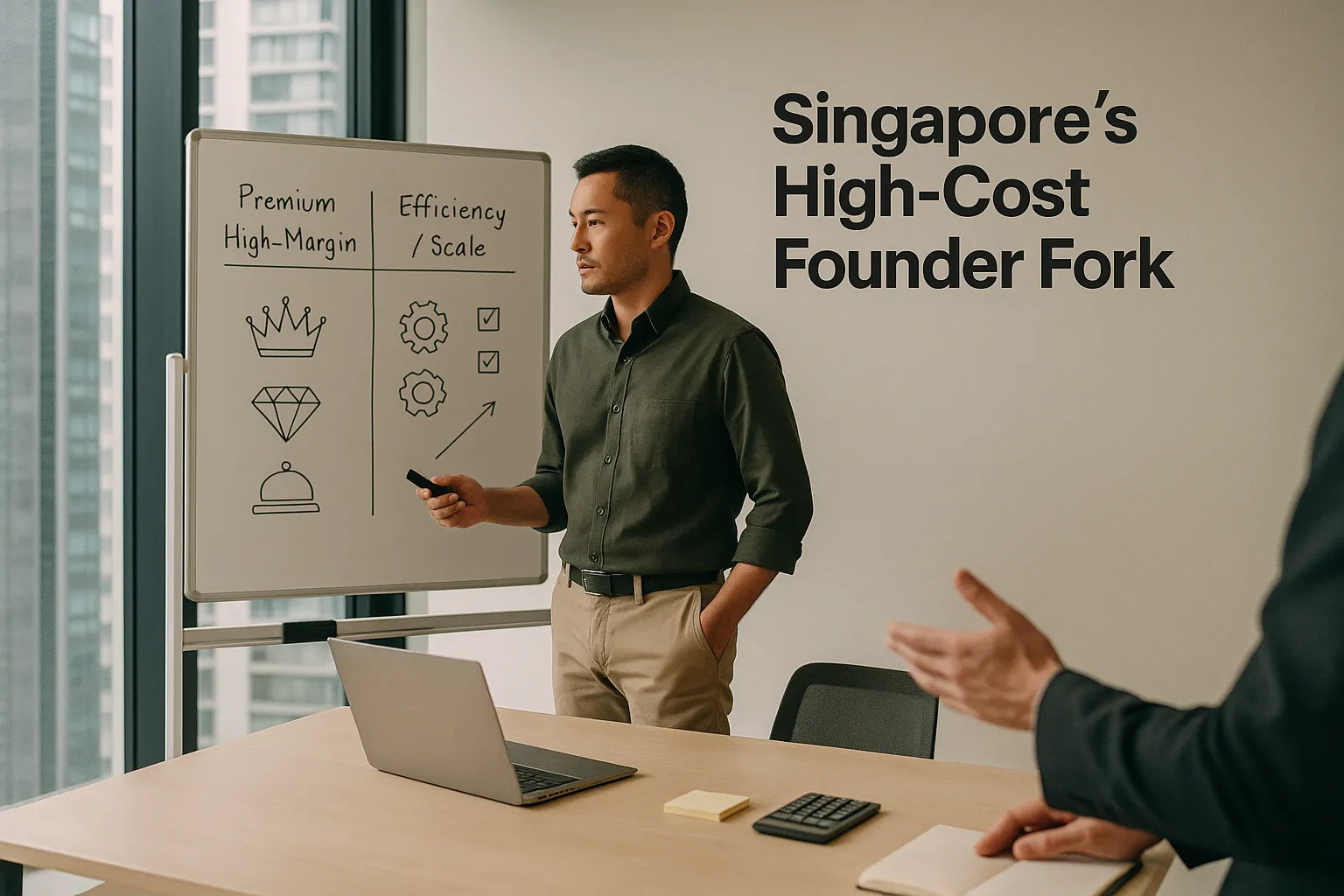
As Singapore’s costs rise like a premium city, many SMEs face margin squeeze because their pricing and delivery model no longer match their overheads. This guide helps founders choose between an ultra-premium HNW play or an efficiency-and-scale model, with practical operating changes to avoid the “mushy middle”.
Singapore Business Expansion Video Guides

Business Opportunities in Singapore

Guide to Start a Restaurant in Singapore