Run & Expand a Business in Singapore Guides
Popular Posts
指南
在新加坡,人工智能支出越来越受到基础设施现实的驱动,如GPU稀缺、数据中心限制和多年度云承诺,而不是固定的软件许可费用。本文概述了创始人和首席财务官如何建模投资回报率、区分资本支出和运营支出、谈判合同条款,并设定治理控制,以避免在2027年之前出现隐藏的长期责任。
Fractional CXOs can help Singapore SMEs add senior capability without adding full-time payroll, but many engagements fail because scope, access, and decision rights are unclear. This playbook shows how to choose the right fractional CFO/CMO/CTO/COO/CHRO, define KPIs and hand-offs, and install cadence and dashboards so measurable improvements stick.
Personal guarantees can turn predictable business commitments—rent, payroll, loans, and supplier terms—into personal insolvency risk when revenue is volatile. This guide shows Singapore founders how to map fixed commitments, model downside scenarios, set cash buffers and stop-loss triggers, and negotiate PG terms to keep the downside survivable.
Singapore founders face growing pressure to expand overseas, but most failures come from scaling before pricing, cash, team routines, and decision rights can handle cross-border friction. This guide shows how to pick the first two markets, run 30/60/90-day pilots with stop/go metrics, and build a minimum operating backbone for repeatable growth.

Many Singapore startups accidentally optimise for grants, accelerators, and pitch panels, then discover too late that customers won’t pay or renew. This guide lays out a practical 30–60 day operating system for interviews, pre-sales and paid pilots, and weekly metrics that replace narrative with evidence.

Singapore’s startup ecosystem can accelerate founders, but it can also reward visibility signals that don’t translate into cash, retention, or pricing power. This guide provides a diagnostic scorecard, KPI redesign, and a subsidy-to-sales transition plan to build commercial independence in 2026–2027.
Many Singapore B2B SME founders know personal branding builds trust, but struggle to do it consistently without turning into a full-time influencer or creating reputational risk. This guide shows how to capture operational insights, repurpose them into repeatable formats, set lightweight approvals, and route responses into sales and hiring workflows.
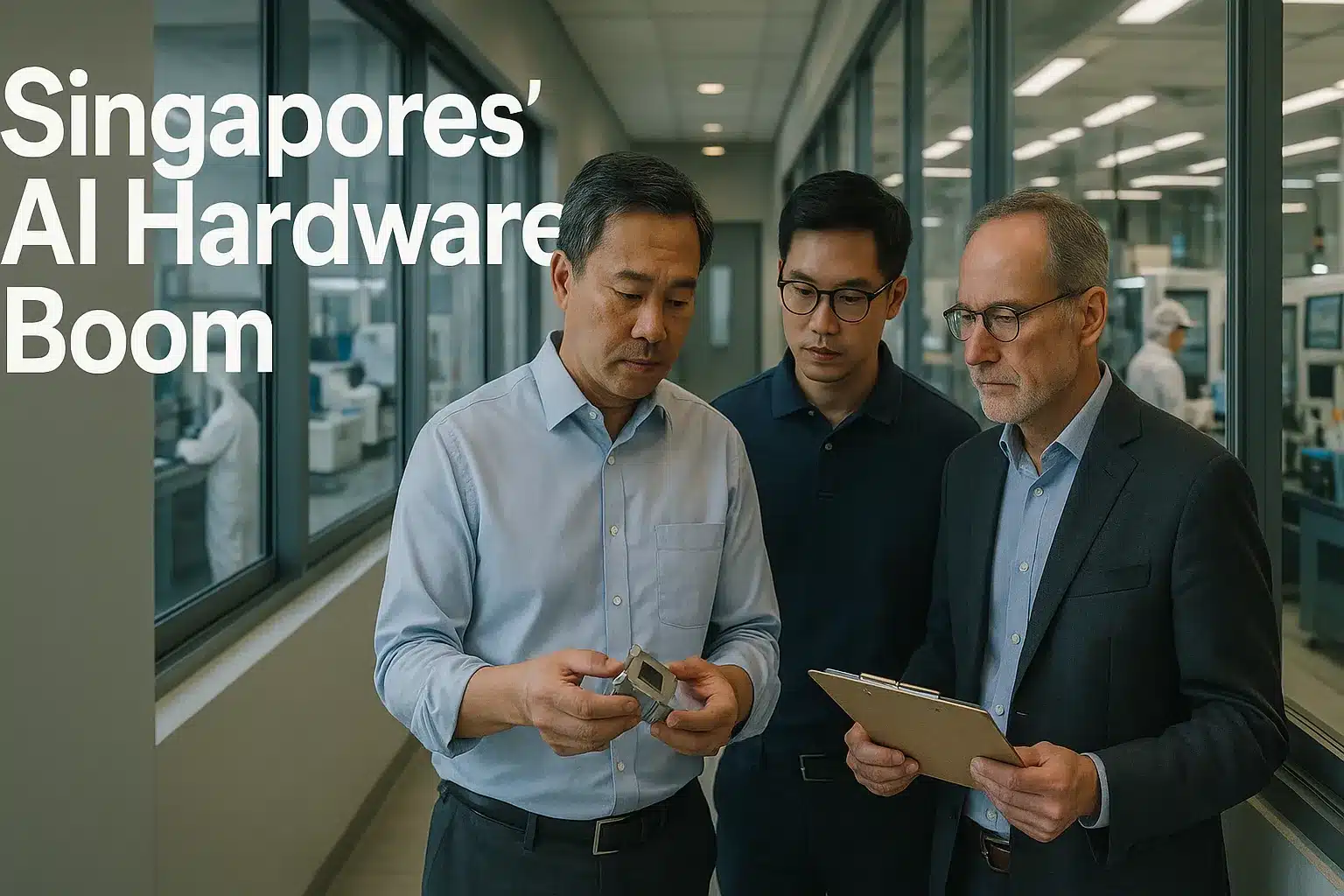
新加坡的人工智能硬件上升趋势可能会促使创始人和中小企业进行快速资本支出和脆弱的单一客户投资,即使资格周期、价格压力和下行周期使错误变得代价高昂。本指南提供了一个决策框架,以选择在供应链中的参与领域,在资本支出前证明需求,降低集中风险,并在2027年的情景中构建更持久的服务性收入。
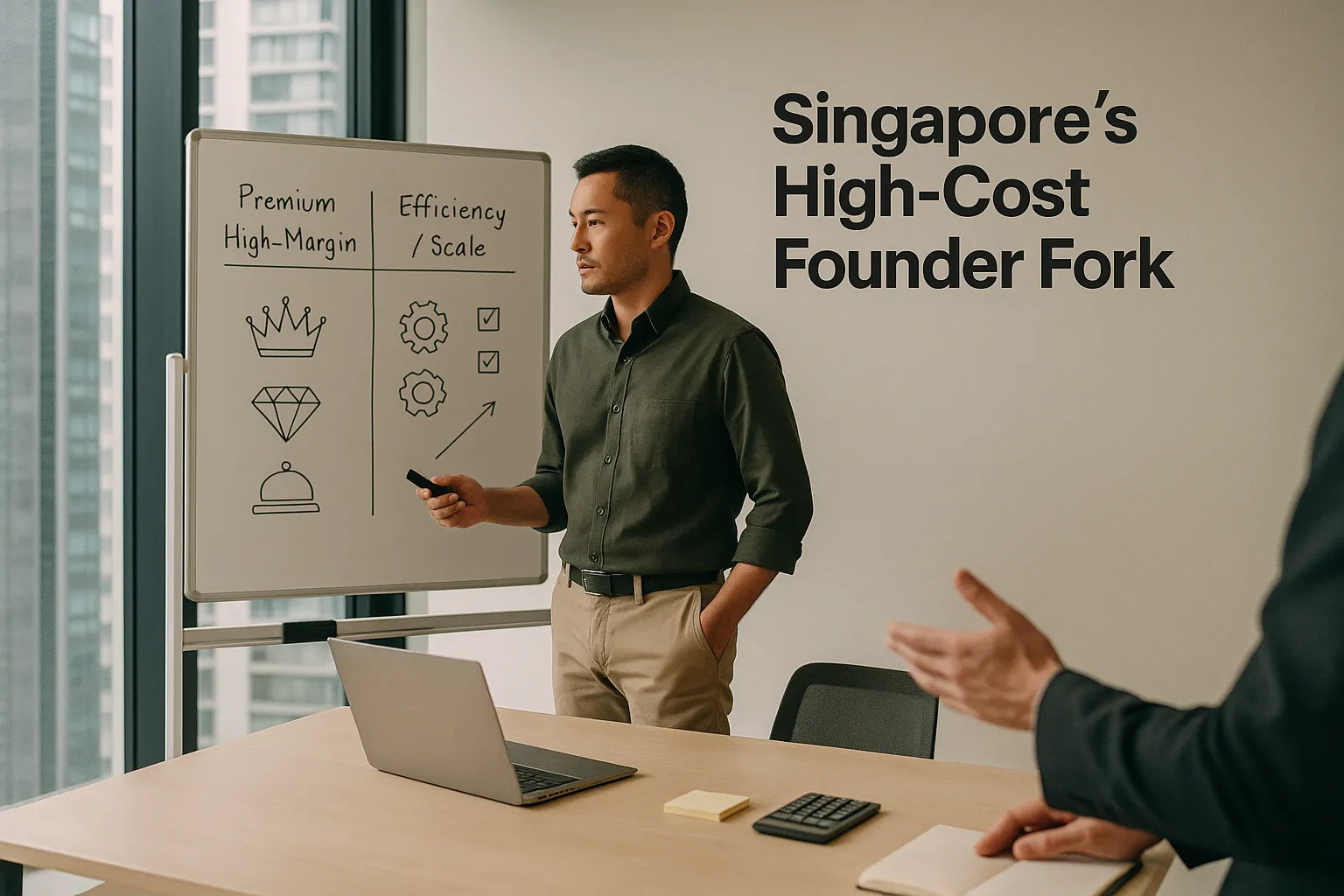
随着新加坡的成本日益上升,许多中小企业面临利润压缩,因为他们的定价和交付模型不再与其开销匹配。本指南帮助创始人在超高端的高净值市场与效率和规模模型之间做出选择,并提供实际操作变更以避免“模糊中间地带”。
Singapore Business Expansion Video Guides

新加坡的商业机会

Guide to Start a Restaurant in Singapore