


指南
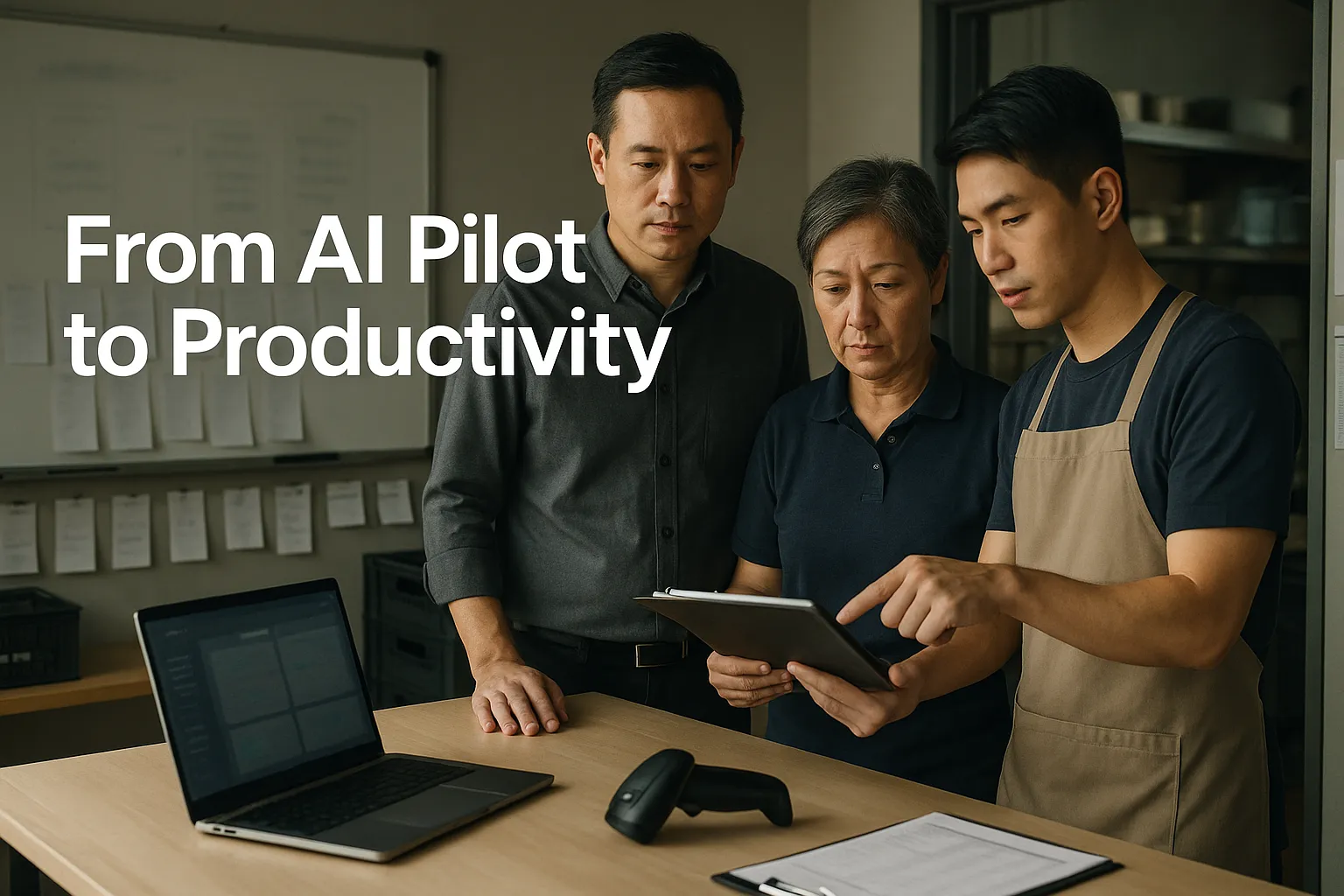
Many Singapore SMEs run AI pilots but fail to translate them into daily improvements because workflows, owners, data handoffs, and routines aren’t defined. This guide lays out a practical 90-day roadmap to operationalise AI in roster planning, inventory, marketing, and customer ops with clear controls and measurable outcomes.

As Singapore’s landed housing increasingly becomes a local “wealth benchmark,” senior hires may anchor compensation expectations to family housing timelines and near-term liquidity. This guide gives founders decision rules and scenarios to refresh salary bands, use time-bound bonuses, keep ESOP credible, and redesign relocation support without breaking internal equity or budgets.
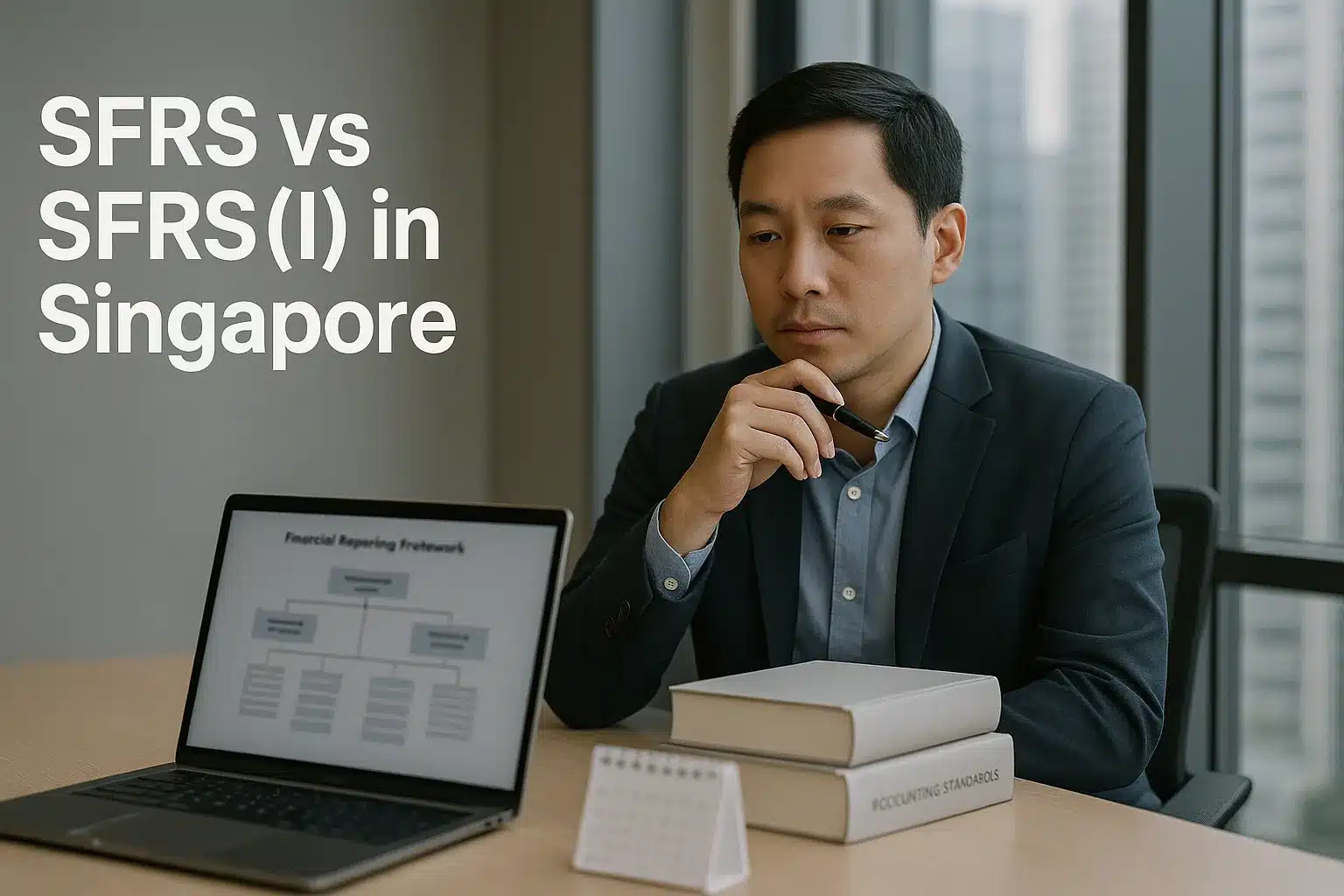
Choosing the wrong Singapore reporting framework can trigger late audit adjustments, disclosure rework, and misalignment with group reporting. This guide gives a practical workflow to determine whether SFRS or SFRS(I) likely applies, how each connects to IFRS through the ASC, and what to confirm with ACRA and ASC sources.
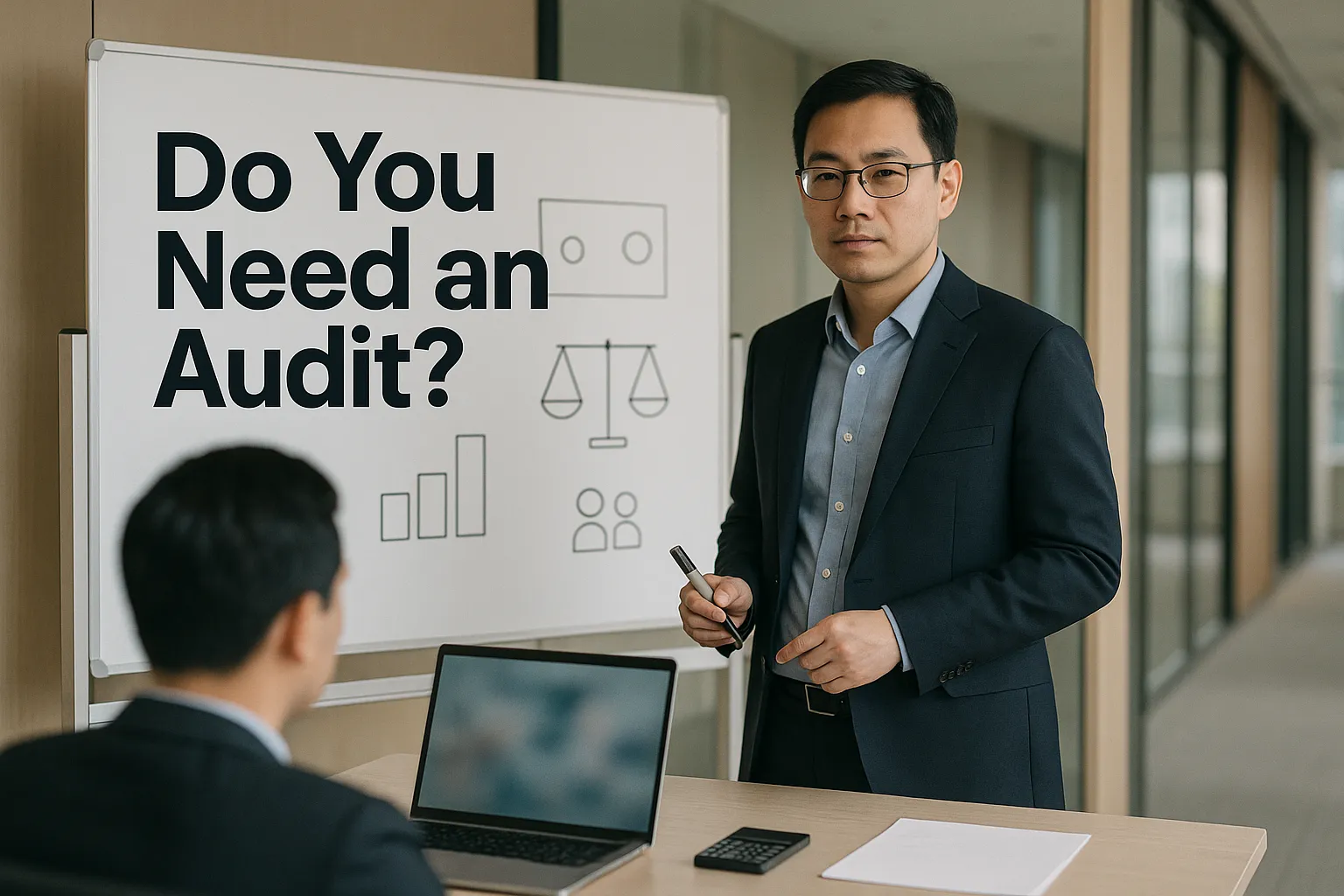
Singapore private companies are generally expected to have their financial statements audited each year unless they qualify for an exemption. This guide shows how to apply the small company (and, where relevant, small group) tests using the 2-out-of-3 thresholds over two consecutive financial years, and what you still need to do if you are exempt.
Singapore-incorporated companies generally need statutory financial statements prepared under an applicable Singapore financial reporting framework, not simply a last-minute conversion of group IFRS packs. This guide explains what counts as statutory accounts, how to choose between SFRS, SFRS for Small Entities, and SFRS(I), and the controls directors and finance teams use to avoid ACRA-facing rework and audit delays.
Work out whether your company is legally audit-required or can rely on audit exemption as a small or dormant company, including the common traps around group structures and changing activity. This guide also explains how the audit decision relates to IRAS filing (Form C-S (Lite), Form C-S, or Form C) and what financial records you should still have ready.

Many SMEs confuse the obligation to prepare statutory financial statements with the separate requirement to file financial statements with ACRA, often in XBRL. This guide gives a practical workflow to test dormancy, confirm filing mode, and set up a close-to-file process that avoids exemption misreads and public-record surprises.
Singapore private companies generally need an audit unless they qualify for audit exemption under ACRA’s small company regime. This guide gives a practical yes/no pathway covering the 2-out-of-3 test over two consecutive financial years, how group structures change the analysis, and what to do in transition years.
新加坡会计、薪资和审计视频指南
新加坡的会计服务

新加坡就业通行证