所有资源
2026年7月至9月 | 新加坡指南

Many AI startups in Singapore can sell locally but struggle to run Southeast Asia with consistent governance, delivery, and enterprise-ready assurance. This playbook explains the operating models, Singapore-anchored control functions, and lightweight workflows and cadence needed to scale across SEA without losing speed or control.

Singapore businesses are shifting from AI experimentation to embedding proven models into finance, logistics, safety, and customer workflows where outcomes can be measured. This guide shows how to select 2–3 high-ROI use cases, integrate with existing ERP/WMS/TMS/CRM systems, and run a 90–180 day pilot that can pass CFO and operational scrutiny.

Singapore SMEs are adopting AI quickly, but many teams risk trading real capability for faster output and tool dependence. This guide shows founders what to automate first, how to split human judgment vs AI production, how to rewrite job scopes, and which operating rhythms and metrics protect quality while improving output per head.

Many Singapore high-ticket launches fail not because the market is weak, but because timing, buyer sentiment, and offer structure aren’t governed. This guide turns July’s private new home sales rebound into a repeatable operating roadmap for launch calendars, tranche releases, pre-heated demand, and pricing ladders that fit rate- and value-sensitive buyers.

When a service business can’t deliver and goes silent, deposits turn into chargebacks, disputes, and public reputational damage. This playbook shows Singapore SMEs how to structure deposits by milestones, control customer money, set workable refund terms, build continuity backups, and run a 72-hour crisis workflow.
Deposit-heavy, milestone-based service SMEs can turn a temporary liquidity squeeze into a public trust crisis when delivery slips, refunds stall, and communications fragment. This guide lays out practical controls—fund safeguarding options, early-warning indicators, refund and fulfilment contingencies, and a 24–72 hour crisis protocol aligned with Singapore customer expectations.

This guide walks you through registering a Singapore private limited company on ACRA’s BizFile+, from name application to incorporation submission. It includes a founder-ready checklist, the minimum statutory requirements to meet, and a clear view of which government fees apply at each stage.
Many Singapore SMEs run AI pilots but fail to translate them into daily improvements because workflows, owners, data handoffs, and routines aren’t defined. This guide lays out a practical 90-day roadmap to operationalise AI in roster planning, inventory, marketing, and customer ops with clear controls and measurable outcomes.

As Singapore’s landed housing increasingly becomes a local “wealth benchmark,” senior hires may anchor compensation expectations to family housing timelines and near-term liquidity. This guide gives founders decision rules and scenarios to refresh salary bands, use time-bound bonuses, keep ESOP credible, and redesign relocation support without breaking internal equity or budgets.

Trust-heavy, high-ticket industries in Singapore often rely on information asymmetry, which creates fear, intimidation, and slow decision-making for buyers. This guide shows how to turn transparency into a repeatable growth system using pricing logic, decision-support content, O2O handoffs, scalable trust signals, and operational controls.
Many Singapore SMEs adopt AI through scattered tools that are hard to measure and even harder to substantiate when incentives are reviewed. This guide shows founders and CFOs how to scope AI into a governed programme with baselines, KPIs, cost coding, vendor deliverables, and an audit-ready documentation pack.

Many Indian SMEs use Singapore as a credibility-and-distribution platform to shorten enterprise sales cycles, build partner access, and signal investor readiness. This article explains what that approach looks like in practice—and the offer design, sales operations, and operating rhythm Singapore SMEs can adopt for cross-border conversion in 2026–2027.
2026年4月至6月 | 新加坡指南
Singapore private companies generally need an audit unless they qualify for audit exemption under ACRA’s small company regime. This guide gives a practical yes/no pathway covering the 2-out-of-3 test over two consecutive financial years, how group structures change the analysis, and what to do in transition years.
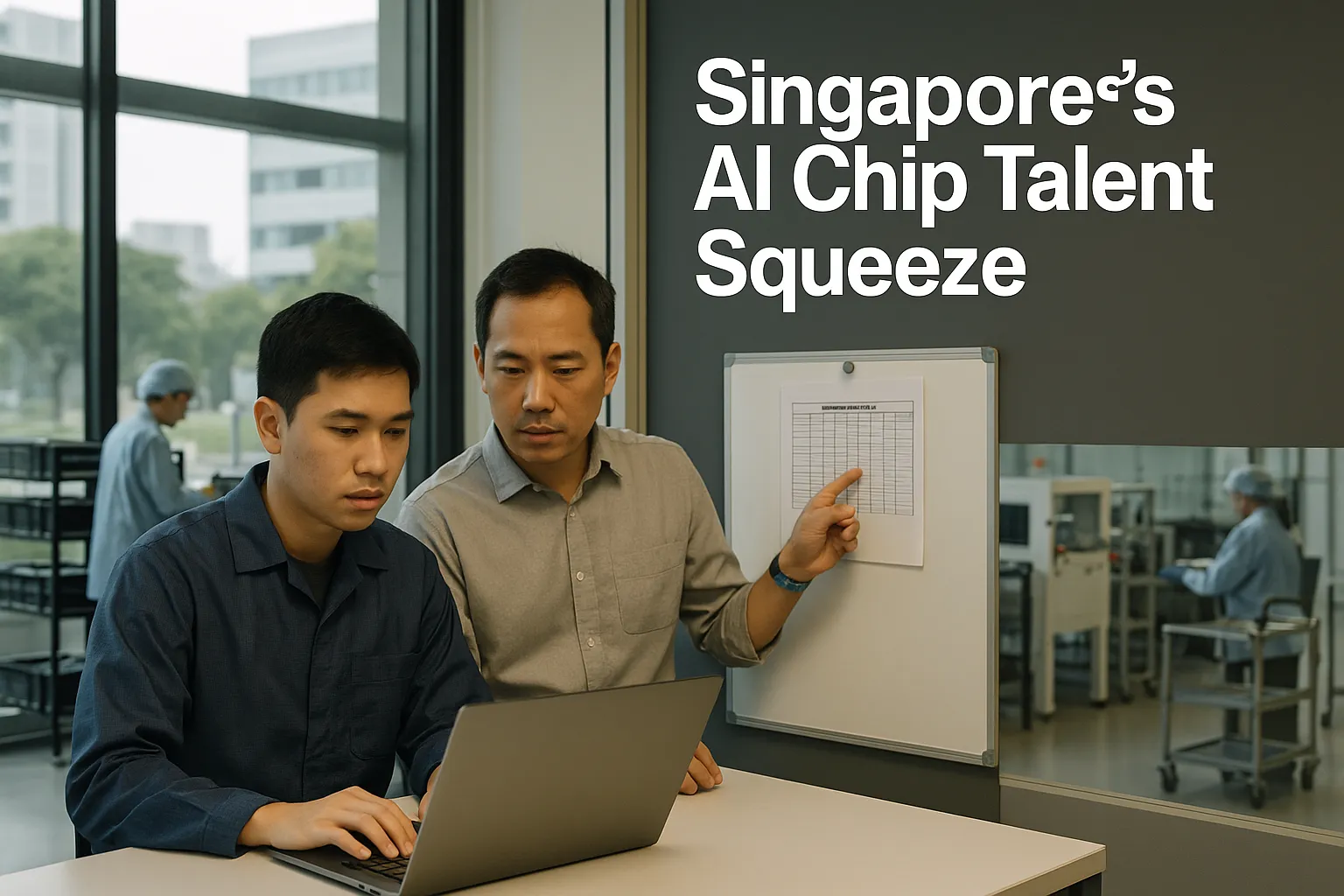
应用材料公司的扩张标志着对工程和技术人才的竞争加剧,对高规格工业空间的需求增加,以及整个半导体生态系统中更高的采购期望。本指南映射了哪些中小企业供应商类别可能在2026-2027年看到需求提前,并概述了在可追溯性、文档、交付可靠性和现金流管理方面的实际准备措施。
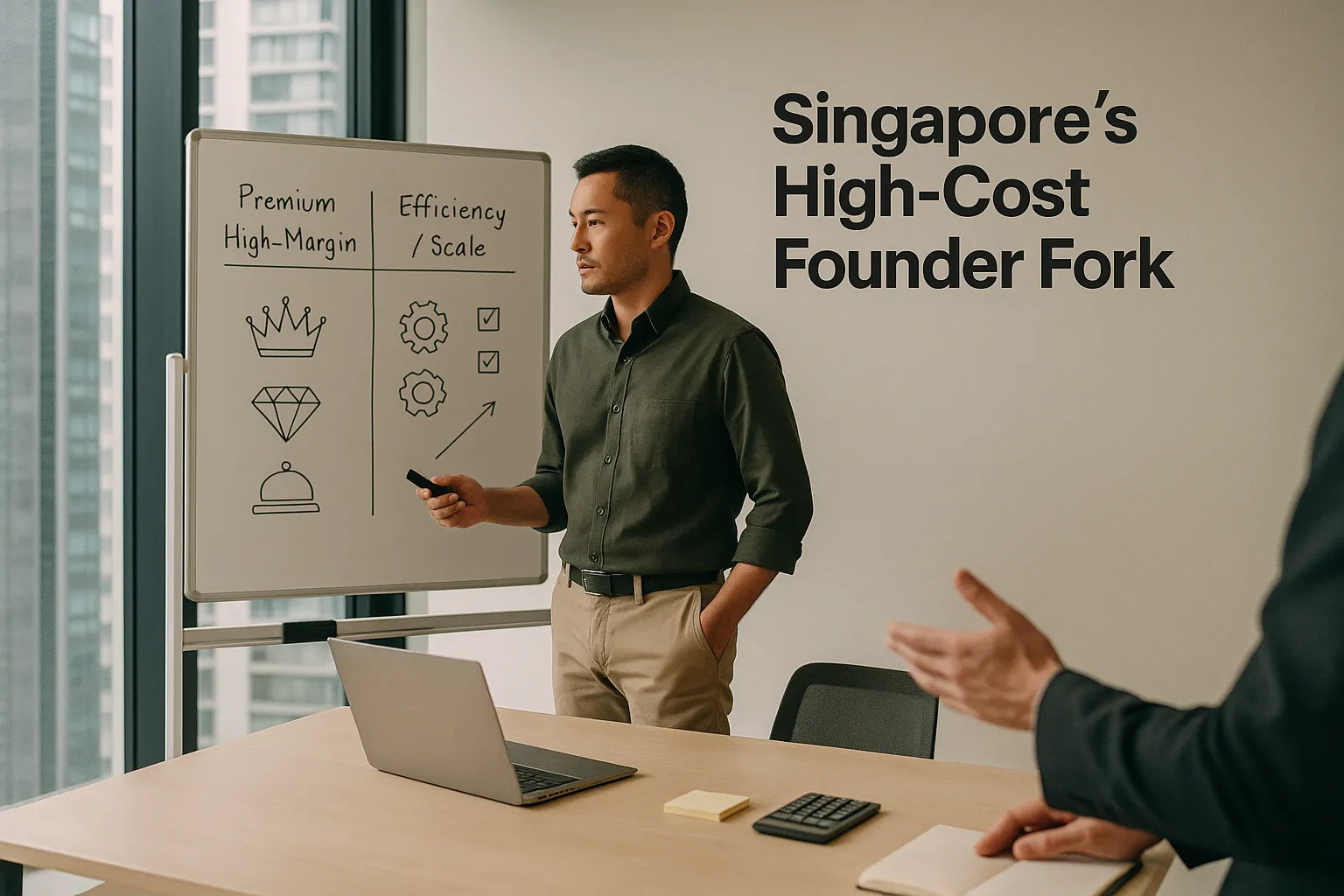
随着新加坡的成本日益上升,许多中小企业面临利润压缩,因为他们的定价和交付模型不再与其开销匹配。本指南帮助创始人在超高端的高净值市场与效率和规模模型之间做出选择,并提供实际操作变更以避免“模糊中间地带”。
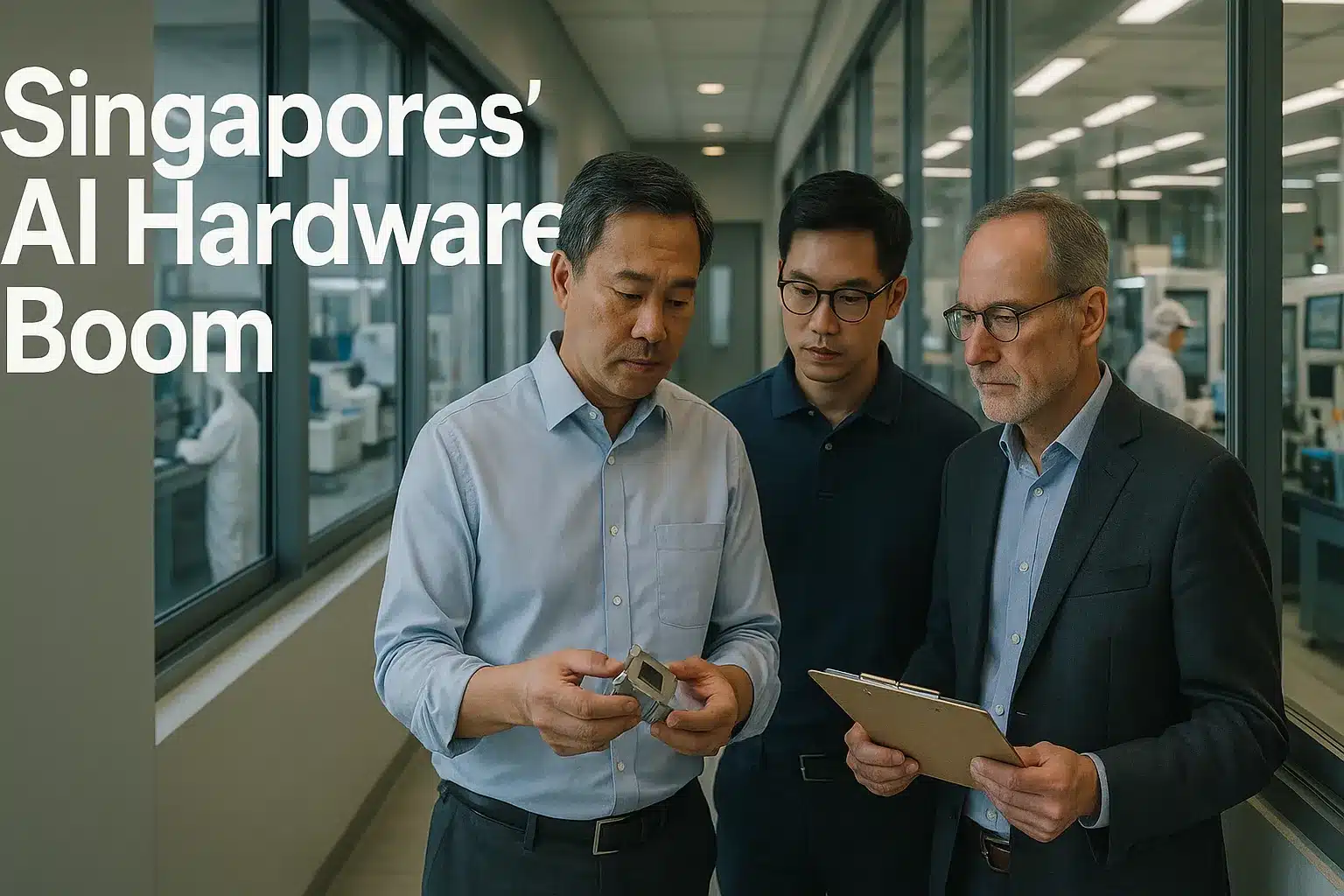
新加坡的人工智能硬件上升趋势可能会促使创始人和中小企业进行快速资本支出和脆弱的单一客户投资,即使资格周期、价格压力和下行周期使错误变得代价高昂。本指南提供了一个决策框架,以选择在供应链中的参与领域,在资本支出前证明需求,降低集中风险,并在2027年的情景中构建更持久的服务性收入。
新加坡中小企业可以通过从一些可衡量的工作流和明确的责任开始,从人工智能试点转向实际的生产力提升。本指南概述了低风险的试点用例、符合个人数据保护法(PDPA)的数据治理框架,以及一个简单的投资回报率(ROI)模型,以安全地扩展到2027年。

Singapore’s expected 2026 Companies Act amendments will tighten how selective off-market share buybacks are approved, with greater focus on conflict-sensitive voting and documentation. SMEs should review their constitution, shareholder agreements, and resolution/minute templates early to avoid invalid approvals and audit or due diligence issues.
MOM COS 2026 is expected to reshape Singapore SMEs’ foreign workforce planning through Local Qualifying Salary (LQS) shifts, work pass eligibility, and levy cost changes. Learn how to update payroll structures, budgets, and HR documentation early to stay compliant and avoid last-minute pass or levy issues.
2026年1月 – 3月 | 新加坡指南

2026年伊朗战争的石油供应新闻可能迅速转化为新加坡中小企业的更高到岸成本、运费附加费、外汇波动和营运资金压力。本指南解释了更强的会计政策、审计准备文档和税务规划如何保持决策的合理性和现金流在2026至2027年的波动中保持韧性。
人力部2026 COS 更新暗示对就业通行证和S通行证的更高期望,这可能在2027-2028年间提高新加坡中小企业的总招聘成本。了解如何规划EP与S通行证选择、工资结构、LQS 1,800的对齐以及更新时限,以便保持合规而不造成成本波动。
With the ACRA Amendment Bill 2026 expected from April 2026, directors should prepare for tighter enforcement and greater personal exposure for late filings, weak governance, and inaccurate reporting. Use 2025–early 2026 to strengthen your compliance calendar, company secretarial controls, and finance/audit readiness so your board has a defensible oversight trail.
2026年的新加坡报税季正日益数字化——IRAS电子报税检查、一致的对账,以及及时提交ECI对中小企业来说比以往更重要。了解减少处罚、避免现金流冲击以及保持审计准备的实用步骤,确保清晰且可支持的记录。
The Singapore GDP 2026 forecast points to AI-driven productivity and stronger trade flows—but growth only helps if your back office can keep up. Here’s what to do in 2025 to incorporate correctly, plan tax and accounting, secure key hires, open the right bank accounts, and scale with audit-ready controls.
新加坡中小企业如果根据企业创新计划 (EIS) 结构化、跟踪并妥善记录项目,可以在 YA 2026–2027 上有资格申报高达 400% 的税收减免,适用于符合条件的人工智能与创新成本。本指南解释了通常符合资格的内容、IRAS 期望看到的内容,以及如何设立项目代码、合同和证据包以使申报合理化。
Singapore Budget 2026 measures on AI, wage support, and post‑SG60 reliefs only become real cashflow when your payroll, CPF alignment, and bookkeeping are clean and claim-ready. Learn how to structure wage changes, tag qualifying AI spend, and keep IRAS/MOM compliance tight so incentives translate into measurable savings.

Singapore’s GTP extension to 2031 and the expected inclusion of Environmental Attribute Certificates (EACs) from 13 Feb 2026 can reshape tax modelling, accounting policies, and transfer pricing for trading groups. This guide outlines how to build audit-ready substance, documentation, and controls to sustain concessionary tax rates through 2026–2031.

Singapore SMEs can potentially claim enhanced tax deductions (often cited as “up to 400%”) under the Enterprise Innovation Scheme when AI spend is structured and substantiated as qualifying innovation work. This guide explains how to scope AI projects, classify costs, and build IRAS-ready documentation now (Feb 2026) to reduce YA 2027 claim risk.
增强的渐进工资补贴计划(PWCS)及预计的30%共同资助可以在一定程度上抵消工资上涨——但前提是工资单、中央公积金(CPF)申报和文件都必须保持一致,并且准备好接受审计。本指南向新加坡中小企业展示如何建立工资审查、映射工资组成部分、进行月度对账和预测现金流,使PWCS支持可以量化并准备好申请。

新加坡企业关闭的增加并不是预测——它们是一个提醒,要求在压力迫使被动削减之前,强化报告、现金流清晰度和决策触发器。了解需要关注的红旗,如何通过更强的会计和合规改善结果,以及何时区域扩张(马来西亚、印度尼西亚、香港)可以为2026-2028年分散风险。
新加坡的永久居民和公民身份结果通常通过比语言和资格更广泛、基于证据的视角进行评估,特别是您持续的经济贡献、合规记录和随时间的整合。此2026-2028指南解释了如何通过就业准证战略、税务申报和会计合规来增强(或削弱)当局可以验证的叙述。
2025年10月至12月 | 新加坡指南
新加坡–中国人民币和资本市场倡议正在重塑企业如何管理银行、外汇、会计和税务风险。这份指南解释了中小企业应审查和调整其财务策略以保持合规并为2026年做准备。
新加坡的S Pass征费将在2026年上升至650新元,迫使雇主重新考虑他们的人力资源策略。将合适的岗位转向就业准证(EP)人才可以降低长期的劳动力成本,同时增强劳动力能力和符合人力部规定。
新加坡公司注册局(ACRA)2025年的报告更新标志着新加坡财务合规标准的重大转变,特别是针对准备年度财务报表的中小企业(SMEs)。本文解释了更新的要求,并概述了企业如何为2026年更严格的执法做好准备。
BizAdapt补助为中小企业提供了一个战略性机会,以在2026年之前加强会计系统、税务治理和运营弹性。随着全球合规标准的提升,今天利用BizAdapt来现代化金融基础设施可以帮助中小企业保持竞争力,准备好明天的扩展。
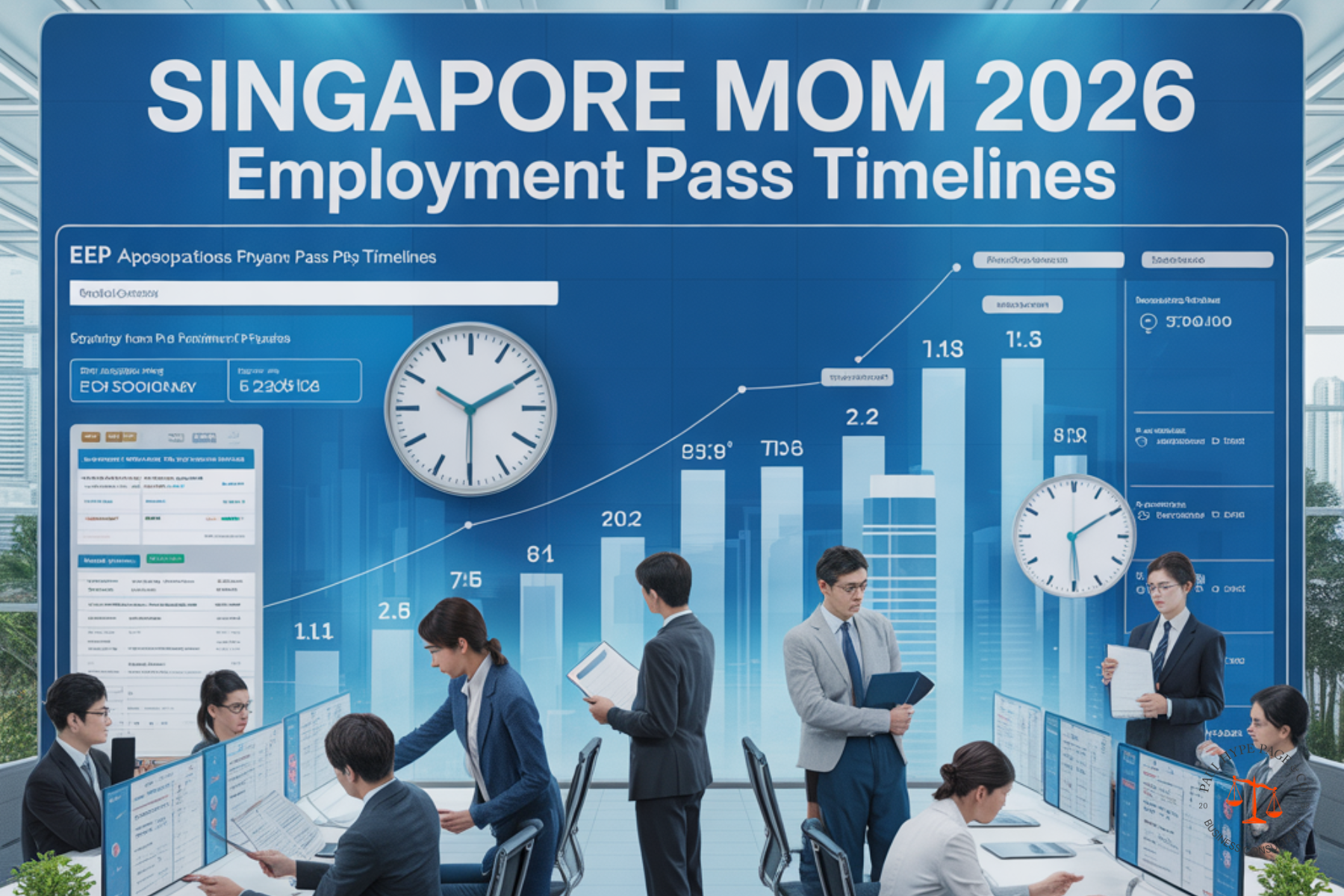
人力部更新的就业准证处理时间意味着人力资源团队必须在2026年前重新设计招聘周期、文档工作流程和候选人筛选流程。本指南解释了雇主和外国专业人士如何提前做好准备,以避免延误、增强申请,并适应新加坡不断变化的招聘环境。

Singapore’s labour market continues to expand, but wage growth is projected to slow sharply in 2026, creating a rare window for founders to build teams at more sustainable cost levels. For new and foreign-owned companies, this shift offers a strategic opportunity to establish operations before manpower pressures rise again.
2025年7月 - 9月 | 新加坡指南
As AI literacy becomes a baseline expectation, many Singapore SMEs risk mis-hires and uneven adoption because job designs and interviews can’t distinguish real AI-enabled operators from confident tool talkers. This guide provides a practical 60–90 day plan to redesign roles around judgment versus automatable work, upgrade hiring signals with work samples and scorecards, and build measurable upskilling supported by lightweight people analytics and HR tech.

Singapore private companies are generally expected to have their financial statements audited each year unless they qualify for an exemption. This guide shows how to apply the small company (and, where relevant, small group) tests using the 2-out-of-3 thresholds over two consecutive financial years, and what you still need to do if you are exempt.

将IIA更新的内部审计标准与新加坡国家风险评估(NRA)整合起来,为企业提供了一个强大的框架,以增强其风险管理和治理实践。这种整合确保了与全球最佳实践和当地监管要求的合规,提升了信誉和投资者信心。
新加坡的商业补助门户(BGP)是早期初创企业的重要工具,通过一个平台简化对多个政府补助、许可证和许可的访问。它为企业家提供了重要的融资机会,帮助他们更聪明、更快、更高效地发展业务。