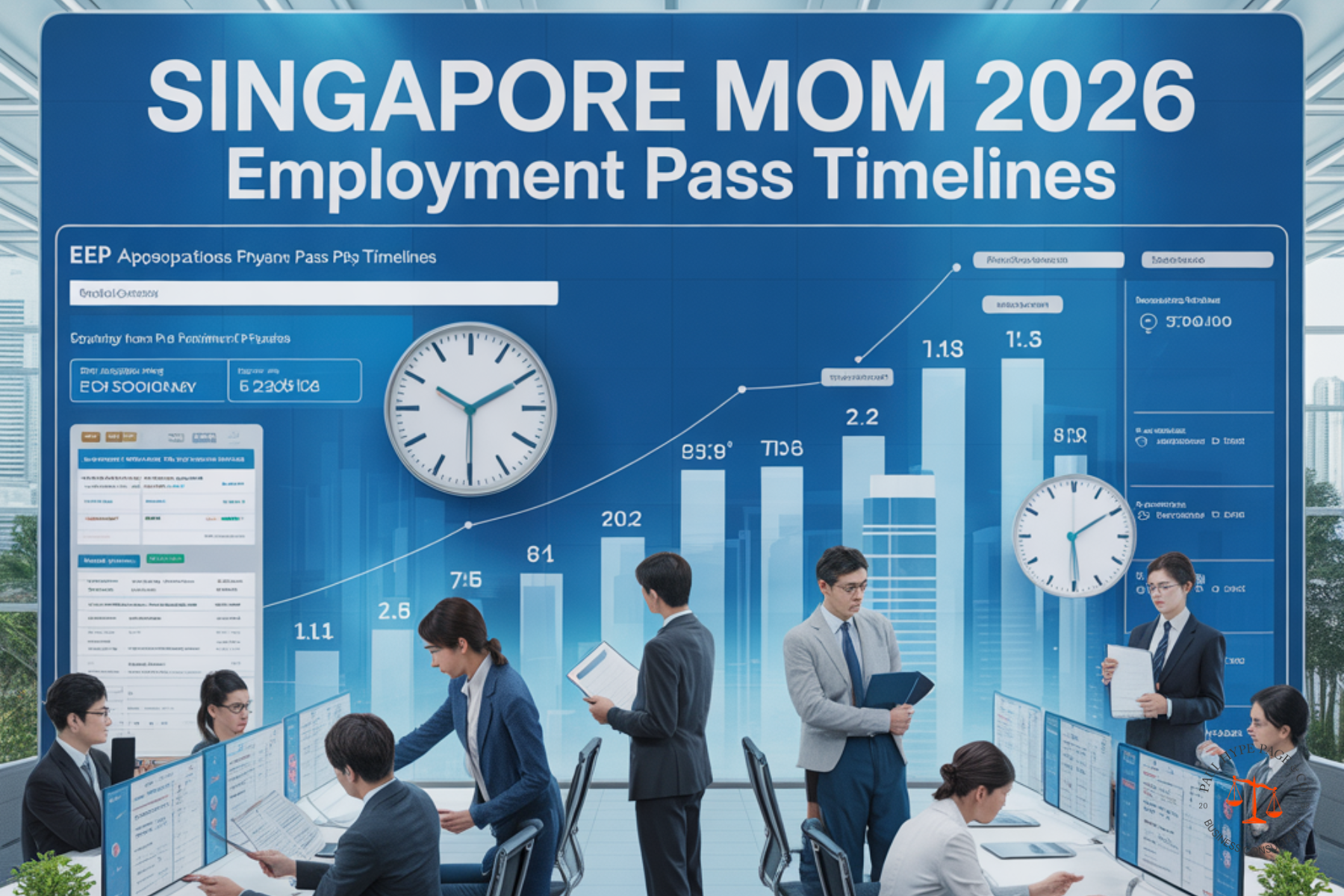
介绍:为什么新加坡雇主必须重新思考2026年的招聘
人力部(MOM)正在收紧就业准证(EP)和S准证的处理标准。以前需要几周的时间,现在可能需要几个月,到2026年,审查将更加严格。新加坡正朝着更高质量、更好治理和更透明的外籍人力资源体系转变,这直接影响了人力资源团队的招聘计划。
更长的工作许可审批时间意味着:
- 招聘周期变得不可预测
- 项目风险延误
- 外国候选人面临更严格的证明要求
- 公司必须展现更强的合规性
- COMPASS评分变得更加重要
- 缺失或不一致的文件会触发自动审核
信息明确:2025年是调整年,2026年是执行年。
本文帮助人力资源团队为招聘流程做好未来准备,同时指导外国专业人士如何为更加严格的新加坡工作准证环境做好准备。
MOM的新EP处理标准在2025年至2026年间发生了什么变化?
新加坡人力部正在加强对雇主和外国申请人的审查。申请不再仅仅依据合格性来判断,而是会审查:
1. 文件准确性
任何不匹配(职位名称、雇主名称、薪资、日期)都会延缓处理。
2. 雇主的记录
人力资源合规性弱的公司会面临更多检查。
3. 教育资格的验证
更多学位会被标记进行外部检查。
4. 薪资基准符合市场规范
虚高或不匹配的薪资会引发警示。
5. COMPASS评分说明
每个标准必须可验证。
6. 额外信息请求(RFIs)
正在发出更多的额外信息请求以澄清工作范围、技能要求和雇主运营情况。
许多HR团队报告的处理时间为:
- 2–6周以上(针对就业通行证)
- 4至10周以上的上诉时间
- 如果需要额外验证,则时间更长
到2026年,提交不完整或理由不足的就业通行证申请的公司将面临更长的延迟。
这些新时间表如何影响人力资源团队和外籍候选人
1. 雇佣周期现在需要8至12周,而不是4至6周
这会影响:
- 项目交付时间表
- 角色交接
- 预算规划
- 合同开始日期
- 调动安排
“现在聘用,下个月入职”的时代已经过去。
2. 职位描述必须更具现实性和证据支持
人力部现在检查是否:
- 职位名称与职责匹配
- 职责与资格相符
- 资历水平与过去经验一致
- 薪资符合行业标准
夸大的职位名称或不清晰的范围会触发验证。
3. 文档错误现在会导致重大延误
大多数EP延误发生在:
- 日期不一致
- 缺少学位页面
- 未验证的证书
- 职位名称不匹配
- 公司信息不正确
- 组织结构图不清晰
- 未签署的合同
公司过去在提交后解决这些问题。人力部预计在2025至2026年提交时没有错误。
4. COMPASS评分将成为核心批准决定因素
COMPASS将在2026年发展:
- 薪资标准可能上升
- 技能奖金标准可能扩大
- 多样性评分可能重新校准
- 可能出现额外的行业特定规则
人力资源团队必须在COMPASS周围规划招聘,而不是之后。
5. 人力资源的运营治理将被直接评估
缺少:
- CPF贡献
- 滞后ACRA提交
- 财务状况不佳
- 本地招聘实践薄弱
- 外籍与本地员工比例高
……将面临更慢的批准。
这正是为什么专业合规生态系统(公司注册、工资、会计、税务、人力资源文档)创造了优势——这与PHP的地区服务优势是一致的。
人力资源团队现在必须做些什么以为2026年做好准备(未来保障指南)
1. 将2025视为排练年——2026年将要求更严格的准确性
人力部正从“检查资格”转向随时间审计合规行为。人力资源团队应该从今天开始调整:
- 审查所有过去EP/S通行证提交
- 识别常见错误和不一致之处
- 填补人力资源文档的空白
- 更新招聘模板以符合人力部的指导原则
- 在各部门标准化职位描述
等待新规则发布的公司将为时已晚。
2. 建立“2026年准备好的EP文档系统”
人力部正向数字化验证一切迈进:
- 教育
- 薪资历史
- 员工记录
- 公司财务
- ACRA 详情
- 中央公积金申报
为了准备,HR 团队需要一个结构化的内部系统。
雇主文件(必须事先整理):
- IRAS 报表
- ACRA 报表
- 最新财务报表
- CPF 贡献日志
- 组织结构图
- 员工名单 + 职位
- 薪资记录
申请人文件(必须事先验证):
- 学位 + 成绩单
- 过去的雇佣信件
- 工资单
- 更新的简历,需清晰标示日期
- 技能组合(如职位特定)
- 护照(完整的页面)
现在采用此文档系统的公司将在 2026 年享受更快、更顺畅的审批。
3. 转向预测招聘规划
随着 8-12 周的时间线变为常态,HR 团队必须从反应式招聘转向基于预测的招聘。
实施 3 层预测:
A. 季度人头预测
根据项目、辞职、扩张预测空缺。
B. 工作广告之前进行 EP 可行性扫描
检查:
- COMPASS 评分
- 预期薪资与市场对比
- 本地招聘可行性
- 技能奖励资格
C. 提早与候选人接触
外国候选人需要几周的时间准备文件——HR 必须考虑这一点。
预测招聘减少:
- 项目干扰
- 紧急招聘
- 临时 EP 拒绝
- 过度依赖上诉
4. 设计 EP 安全的职位描述(JD 2.0)
模糊的 JD = 风险。
到 2026 年,MOM 将要求明确。HR 应修订 JD,以包括:
- 明确的范围
- 技能要求
- 最低资格
- 行业相关性
- 层级和汇报关系
- KPI 或可衡量的结果
外国候选人应调整其简历语言以符合实际职责,而不是夸大的内容。
5. 在内部建立 COMPASS 精通框架
COMPASS 只会增加影响力。
HR 必须了解:
- 薪资基准如何影响审批
- 多样性评分是如何工作的
- 候选人的技能如何与新加坡的人力资源战略相一致
- 如何赚取奖金积分(短缺技能,战略部门奖金)
人力资源团队在发出任何报价之前应运行COMPASS评分。
6. 数字化人力资源合规并消除数据不一致性
人力部现在交叉检查以下信息:
- ACRA
- IRAS
- 公积金
- 技能未来
- 领英
- 过往就业准证记录
- 政府数据库
不一致性 = 自动延迟。
人力资源必须数字化:
- 合同
- 工资单
- 简历档案
- 教育验证
- 招聘模板
- 聘用信
这与新加坡推动数字化企业合规的方向一致。
7. 设定2026年薪资要求的基准——提前预期涨幅
薪资要求可能再次变化,特别是对年长申请者和中高级专业人士而言。
人力资源应:
- 为2026年创建薪资框架
- 按照年龄和经验基准化角色
- 避免提供引发警报的过高增幅
- 为更高的报价准备合理性文件
外国候选人也必须合理调整薪资预期。
8. 加强雇主声誉——人力部重视公司概况
人力部越来越关注雇主的:
- 拒绝率
- 申诉历史
- 工资单准确性
- 对本地就业的贡献
- 企业税申报的规范性
- 经营历史
一个“干净且可信”的雇主享有更快的就业准证批准。
9. 改善与外国候选人的沟通
人力资源应帮助候选人准备:
- 验证学历
- 清晰的简历
- 推荐信
- 工作证明
- 技能评估
- 认证检查
一个准备充分的候选人意味着更少的人力部询问。
10. 为2026年更长的申诉和更多的请求信息做好准备
申诉不再是快速解决方案。人力部现在将申诉视为新申请,进行更深入的审查。
为此准备:
- 保持过去拒绝的记录
- 清楚记录原因
- 避免重复错误
- 准备更强的合理性信函
- 与候选人保持透明沟通

外国专业人士为2026年做准备的要点
外国人才也面临更严格的期望。
1. 确保所有资格都可验证
不得使用非官方成绩单、非认证学校或带有不清晰印章的文件。
2. 修正简历中的不一致
日期、职位和职责必须准确。
3. 建立技能和成就的作品集
MOM重视可证明的能力。
4. 准备之前职位的薪资证明
可能会要求提供工资单、税务记录和雇佣合同。
5. 理解现实的薪资基准
与市场对齐的期望有助于获得批准。
结论:2026年将奖励准备充分的人力资源团队,惩罚反应迟钝的招聘。
就业通行证的环境正在进入一个新的阶段——更加结构化、数据驱动和严格。继续采用传统方式招聘的公司将面临延迟、人才流失和反复被拒。
但能够:
- 预测员工人数
- 建立文档系统
- 掌握COMPASS
- 加强雇主治理
- 数字化人力资源流程
- 改善候选人沟通
……的人力资源团队将在2026年更严格的标准下享受更顺畅、更快速的EP批准。
这不是为了击败系统——而是与新加坡的长期人力资源方向保持一致。
常见问题
外籍专业人士应尽早准备所有支持文件,包括经验证的学位、工资单、雇佣信、更新的简历以及相关技能的证明。他们应该确保自己的就业历史在LinkedIn、简历和过去的申请中保持清晰一致。提前准备这些文件可以加快验证速度,并防止人力部要求额外信息,这是延长处理时间的主要因素。
最大的的问题包括职位名称不匹配、就业日期不一致、未经验证的学术证书、职位范围不明确、合同细节缺失,以及雇主合规差距。人力部还会检查雇主治理,因此迟交税务、CPF问题或不清晰的财务信息即使候选人完全合格,也会拖慢申请速度。通过仔细的提交前检查,大多数延误是可以避免的。
COMPASS现在在评估EP资格方面发挥着核心作用,随着新加坡完善基于技能的招聘和基于行业的要求,其重要性将在2026年增长。人力资源团队应在招聘流程的早期进行COMPASS评估,记录他们对薪资、资格和职位适配性的理由,并确定雇主或候选人可能的不足之处。申请越是以证据为基础,获得批准的几率就越高。
最有效的步骤是制定一个结构化的、2026年准备好的文档系统。这包括标准化职位描述、尽早验证候选人资格、整理雇主合规文件,并确保所有合同、申请表和职位广告中的细节一致。强有力的文档可以防止人力部要求澄清,减少验证延迟,并提高批准的可预测性。
人力部引入了更深入的验证检查,以确保外国雇员满足薪资基准,资格真实,雇主记录准确。这涉及到交叉检查公司注册局的备案、公积金贡献、过去的就业准证历史和教育来源。随着新加坡向完全数字化的合规驱动的人力资源框架迈进,这些流程预计在2026年将进一步扩展。人力资源团队应预计时间线将逐渐延长,除非文档完整、一致且无错误。
分享这个故事,选择您的平台!
相关文章