Singapore Taxes Guides
Popular Posts
Guides

Singapore’s one-tier system means dividends paid by a resident company are not taxed again here. For income also taxed overseas, residents may claim relief under a Double Tax Agreement or, where there is no DTA, under unilateral tax credit rules.

A foreigner is generally a Singapore tax resident if they stayed or worked here for at least 183 days in the previous calendar year. IRAS also has 2-year and 3-year concessions, and a company is resident if its control and management are exercised in Singapore.
A Singapore-resident company may be exempt from tax on foreign-sourced dividends, branch profits and service income remitted here if IRAS’s foreign-sourced income exemption conditions are met, including the 15% foreign headline tax rate.
In short: Every Singapore private company has a yearly cycle. It prepares financial statements, holds an AGM (or passes resolutions instead, if allowed), files an annual return with ACRA, files [...]

Discover new digital resources from IRAS to simplify corporate income tax filing for 2026. Ensure compliance and avoid penalties.
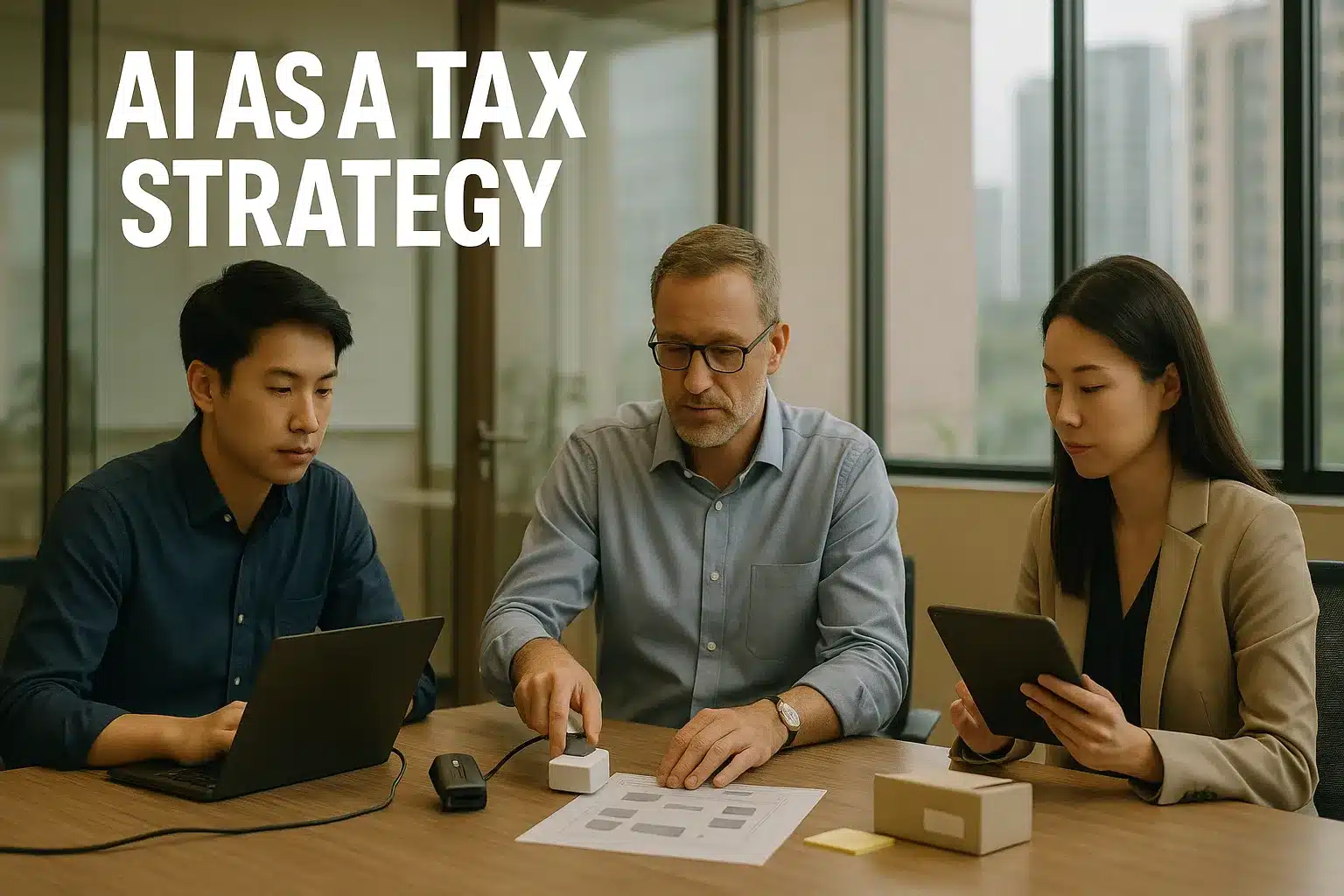
Many Singapore SMEs adopt AI through scattered tools that are hard to measure and even harder to substantiate when incentives are reviewed. This guide shows founders and CFOs how to scope AI into a governed programme with baselines, KPIs, cost coding, vendor deliverables, and an audit-ready documentation pack.
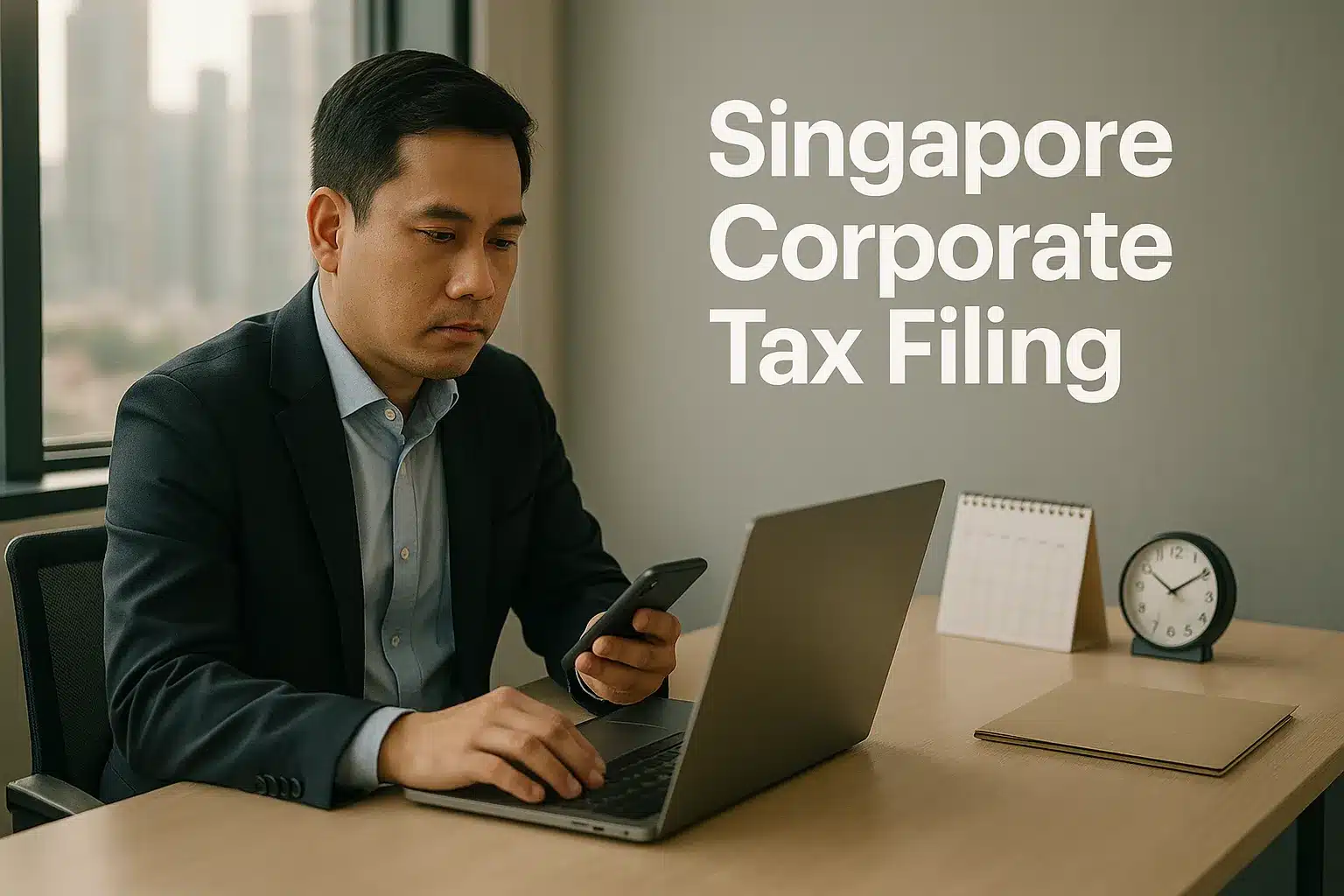
Corporate Income Tax filing is a fixed annual deliverable that drives your close timetable and myTax Portal authorisations, and missing it can create avoidable disruption. This guide shows how to map your FYE to the correct YA, choose the right IRAS form (C-S (Lite), C-S or C), confirm whether any waiver applies, and e-File with a clean proof-of-filing trail.
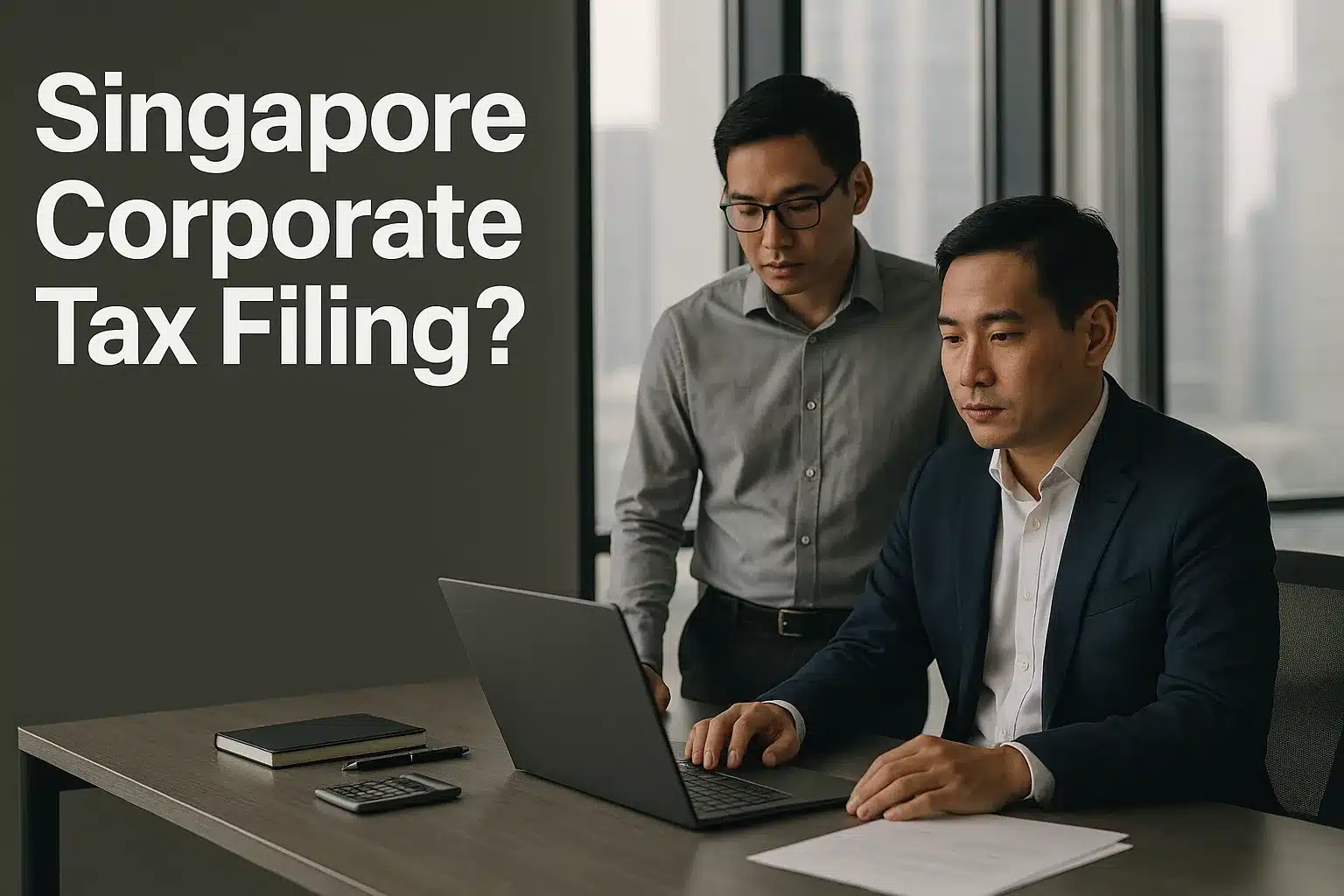
Most Singapore companies should assume corporate income tax filing is an annual requirement unless IRAS has waived filing or instructed otherwise for that Year of Assessment. This guide shows a scenario-based workflow to determine whether you must file, which form applies (C‑S (Lite), C‑S, or C), and how to execute e‑filing on myTax Portal with basic internal controls.
Singapore corporate income tax filing can become messy when ECI timing, Year of Assessment mapping, and IRAS e-filing are handled late or without clear ownership. This guide sets out a predictable, FYE-anchored workflow covering ECI within three months, choosing the right return (Form C-S Lite/C-S/C), documentation controls, and practical steps if you miss a filing.
Singapore Tax Video Guides

Corporate Tax in Singapore
Singapore Income Tax