Singapore Taxes Guides
Popular Posts
Guides
Singapore corporate tax compliance often goes wrong when teams treat everything as a single “annual filing” and mix up ECI, the Corporate Income Tax Return (Form C‑S/C‑S (Lite)/Form C), and ACRA annual returns. This guide breaks the work into two clear workflows with practical owners, inputs, waiver decision points, and a simple calendar you can run each year.

Singapore corporate income tax can become reactive when ECI, return filing, and payment are handled only when deadlines hit. This guide lays out a repeatable annual workflow anchored to your financial year-end, covering ECI decisions, Form C‑S Lite/C‑S/C selection, e-filing via myTax Portal, NOA-driven payment planning, and late-filing triage.
Singapore SMEs can potentially use the Enterprise Innovation Scheme (EIS) to claim up to 400% tax deductions on qualifying AI and innovation costs for YA 2026–2027—if the project is structured, tracked, and documented properly. This guide explains what typically qualifies, what IRAS expects to see, and how to set up project codes, contracts, and evidence packs to make claims defensible.

Singapore SMEs can potentially claim enhanced tax deductions (often cited as “up to 400%”) under the Enterprise Innovation Scheme when AI spend is structured and substantiated as qualifying innovation work. This guide explains how to scope AI projects, classify costs, and build IRAS-ready documentation now (Feb 2026) to reduce YA 2027 claim risk.
The MAS Macroeconomic Review 2026 signals moderate growth but higher volatility risks—so SMEs should plan with ranges, not single-point forecasts. Use it to tighten cashflow routines, strengthen accounting and tax documentation, manage payroll costs compliantly, and structure market expansion for 2026–2027.

Singapore Budget 2026 can shape how SMEs manage YA2026 tax, strengthen accounting controls, and fund overseas expansion through 2026–2028. Learn the practical checklists and documentation habits that improve rebate accuracy, grant success, and investor readiness—with support from Paul Hype Page & Co.

Singapore–China RMB and capital market initiatives are reshaping how businesses manage banking, foreign exchange, accounting, and tax exposure. This guide explains what SMEs should review and adjust in their finance strategy to stay compliant and prepared for 2026.
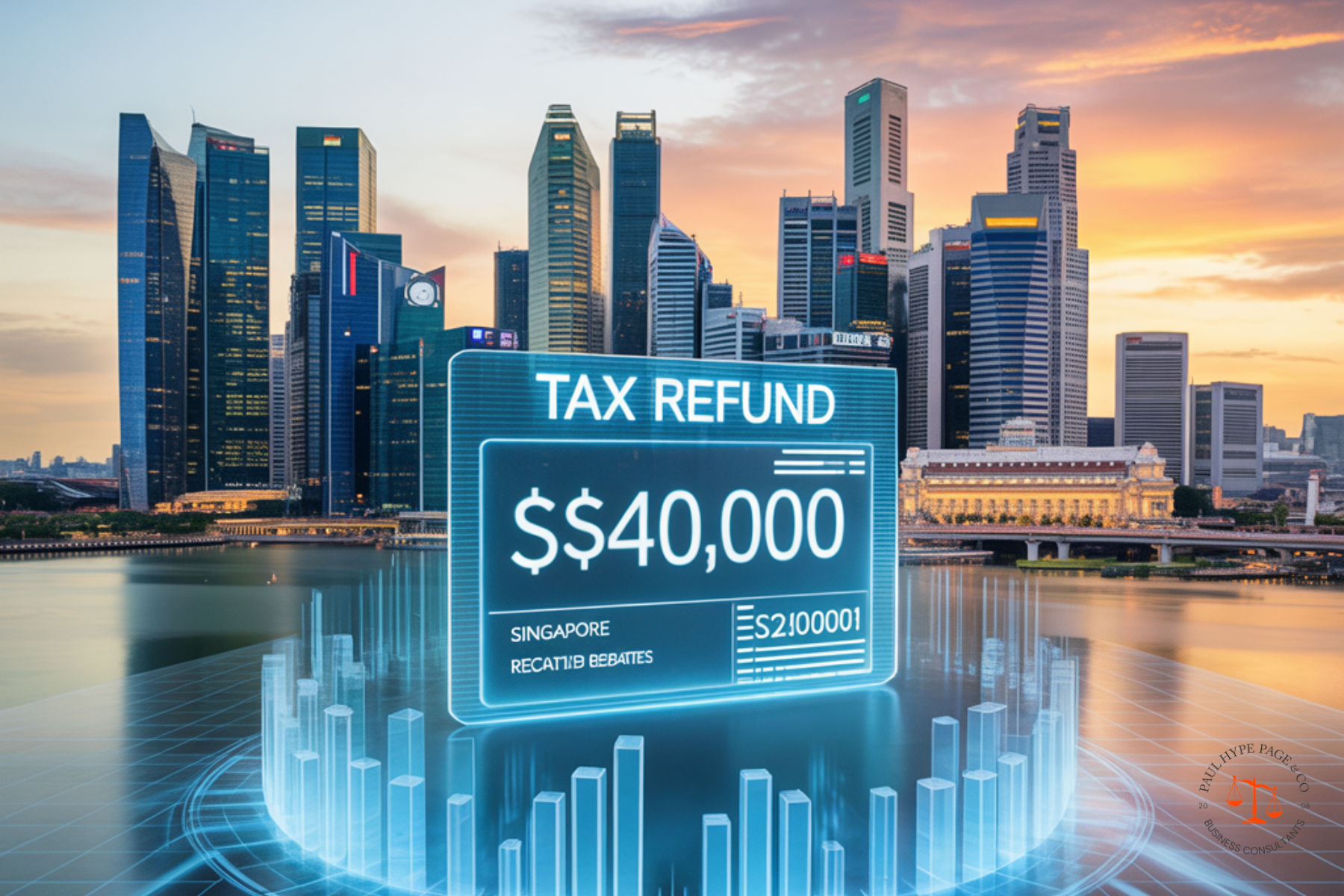
Singapore’s Budget 2025 offers companies up to S$40,000 in tax savings and cash support through the Corporate Income Tax Rebate and Cash Grant scheme. This guide explains how your business can qualify, maximise the benefits, and strengthen cash flow going into 2025.

Singapore offers low personal income tax for residents and non-residents. To reduce your tax burden, consider tax residency status, double taxation agreements, the NOR scheme, and deductible expenses.
Singapore Tax Video Guides

Corporate Tax in Singapore
Singapore Income Tax