Singapore Accounting, Audit & Payroll Guides




Guides

A stronger 2026 NODX outlook can amplify cash flow strain, FX exposure, inventory/WIP errors, and revenue cut-off risk for Singapore exporters. This guide shows how to translate the forecast into a month-by-month plan for faster closes, working capital control, and defensible GST export documentation.

Singapore electronics exporters riding the AI export boom can become over-dependent on a few customers and markets, creating cash flow, revenue cut-off, tax, and audit risks when disruptions hit. This guide shows how to measure concentration, stress-test exposure, and build proportionate controls across contracts, Incoterms, BOM change control, export screening, credit, FX, and documentation.

A stronger Singapore growth outlook can tempt SMEs to scale too quickly and get squeezed by working capital, payroll commitments, and tax cash outflows when conditions soften. This guide shows how to build base/upside/downside scenarios, set trigger-based spending and hiring gates, run a reforecast and cash rhythm, and plan tax and MRA execution without creating reporting surprises.
A higher-for-longer cost environment can turn small execution gaps into real cash-flow stress for Singapore SMEs. This guide shows how to convert the MAS outlook into a CFO-level plan using a rolling cash forecast, scenario triggers, payroll and working-capital levers, tax cash timing, and financing readiness.
Core inflation at 2.2% changes how Singapore SMEs should think about pricing, wage adjustments, and cashflow, because cost increases hit unevenly and renewals don’t move at the same time. This guide shows how to refresh unit economics, execute segmented repricing, model payroll properly, tighten working capital, and keep accounting and documentation strong (including if using MRA support).
Multinational finance teams often discover late in the close that a Singapore entity’s IFRS group pack can’t necessarily be used for Singapore statutory financial statements. This guide explains the ASC-issued frameworks expected in Singapore (SFRS(I) or SFRS for Small Entities) and provides a practical roadmap to bridge from IFRS reporting to audit-ready statutory accounts.

Many Singapore SMEs run AI pilots but fail to translate them into daily improvements because workflows, owners, data handoffs, and routines aren’t defined. This guide lays out a practical 90-day roadmap to operationalise AI in roster planning, inventory, marketing, and customer ops with clear controls and measurable outcomes.

As Singapore’s landed housing increasingly becomes a local “wealth benchmark,” senior hires may anchor compensation expectations to family housing timelines and near-term liquidity. This guide gives founders decision rules and scenarios to refresh salary bands, use time-bound bonuses, keep ESOP credible, and redesign relocation support without breaking internal equity or budgets.
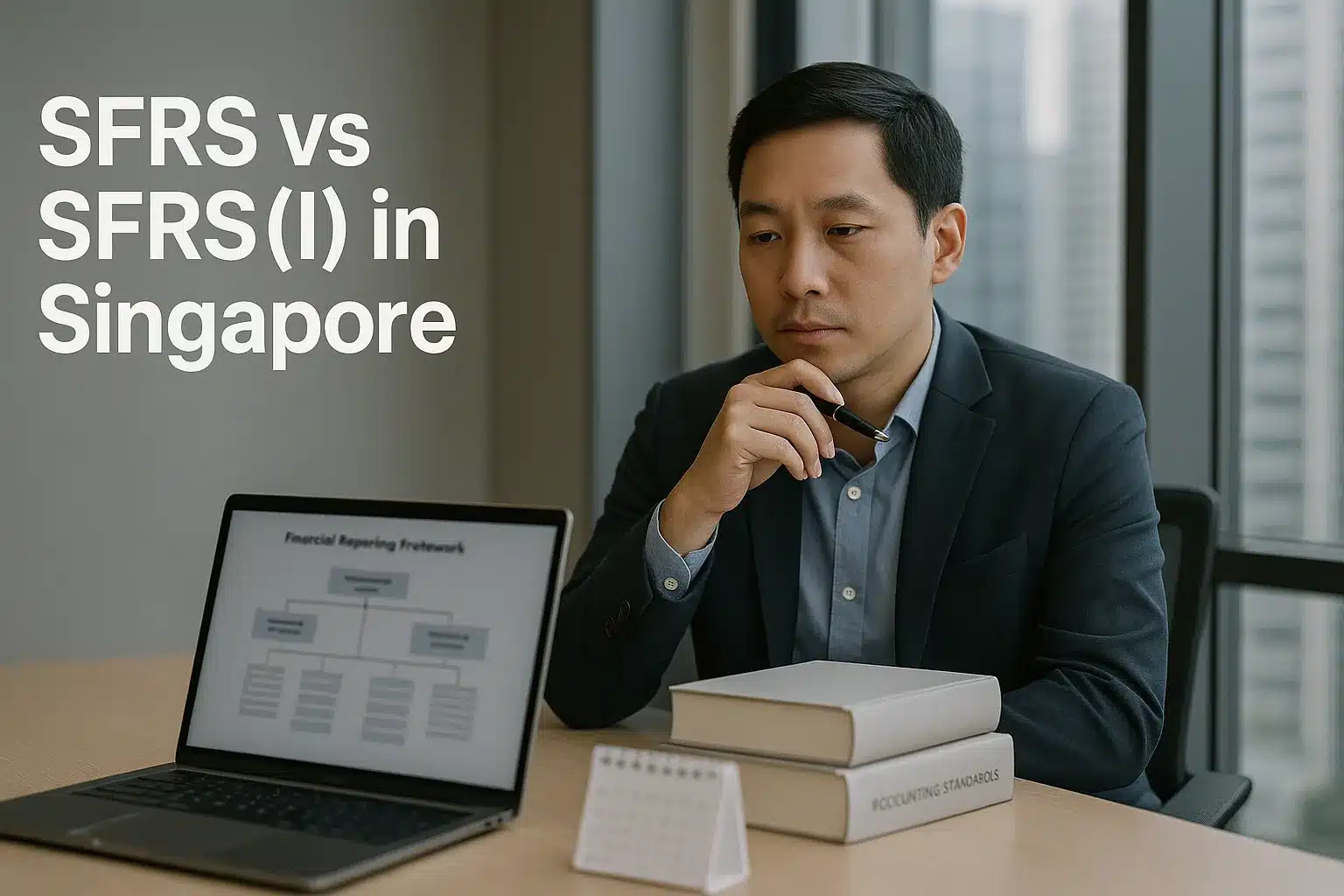
Choosing the wrong Singapore reporting framework can trigger late audit adjustments, disclosure rework, and misalignment with group reporting. This guide gives a practical workflow to determine whether SFRS or SFRS(I) likely applies, how each connects to IFRS through the ASC, and what to confirm with ACRA and ASC sources.
Singapore Accounting, Payroll, and Audit Video Guides

Accounting Services in Singapore

Employment Pass in Singapore